
The Boring Bits: Why Paperwork Matters (Yes, Even for Game Devs!)
Hey there, fellow game enthusiasts!
When we started Giraffe Head Studios, we imagined late-night coding sessions, pixel-perfect graphics, and epic brainstorming meetings that would shape the future of gaming. What we didn’t anticipate was the mountain of paperwork that comes with turning a passion into a business. Accounts? Trademarks? Legal documents? Sounds about as fun as a game without a save point, right?
But here’s the plot twist: these “boring bits” are actually the unsung heroes of any successful game development journey. So grab a cup of coffee (or potion of choice), and let’s dive into why these elements shouldn’t be ignored.

Level 1: Accounting—Keeping Score in the Real World
We all love stats when they’re boosting our character’s abilities, but when it comes to real-life numbers, it’s tempting to look the other way.
Why Bother?
- Resource Management: Just like in games, managing your resources is crucial. Knowing where your money is going helps prevent that dreaded “Game Over” screen for your studio.
- Financial Health: Regular accounting gives you insights into your studio’s financial health, allowing you to make informed decisions and plan for the future.
- Legal Compliance: Governments (a.k.a. the game’s NPCs) require accurate financial reporting. Mess this up, and you might face penalties or fines.
Pro Tips:
- Use Accounting Software: Tools like QuickBooks or Xero can make tracking expenses and income less painful.
- Set a Routine: Allocate time each week to update your records. Think of it as a mini-game with real-world rewards.
- Consult a Professional: If numbers aren’t your thing, hiring an accountant can save you time and stress.

Level 2: Trademarks—Protecting Your Quest
You’ve crafted the perfect game title and studio name (we’re pretty fond of Giraffe Head Studios ourselves). But have you secured them?
Why Bother?
- Brand Identity: Your name and logo are your brand’s face. Trademarks protect them from being used by others.
- Legal Protection: Without a trademark, someone else could legally use your name, causing confusion or even damaging your reputation.
- Asset Value: Trademarks add value to your company, which is beneficial if you seek investors or partners.
Pro Tips:
- Conduct a Search: Before you settle on a name, ensure it’s not already in use.
- Register Early: Trademark applications can take time. Start the process sooner rather than later.
- Monitor and Defend: Keep an eye out for potential infringements and be prepared to enforce your rights.
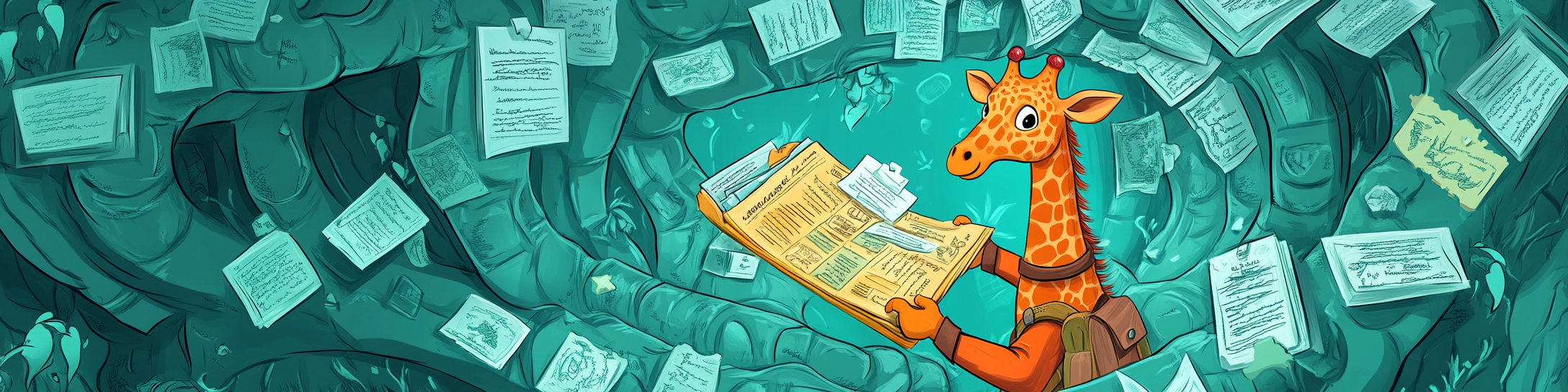
Level 3: Legal Stuff—Navigating the Quest Log
Contracts, licenses, terms of service—it’s like the dense lore in a game that you might be tempted to skip. But missing these details can have consequences.
Why Bother?
- Clear Agreements: Contracts ensure everyone knows their roles, responsibilities, and rights. This clarity prevents disputes down the line.
- Protecting Your IP: Legal agreements safeguard your intellectual property, ensuring you retain control over your creations.
- Regulatory Compliance: Adhering to laws and regulations avoids fines and keeps your studio’s reputation intact.
Pro Tips:
- Get It in Writing: Always have written agreements with team members, contractors, and partners.
- Understand Licensing: If you’re using third-party assets or software, make sure you have the correct licenses.
- Consult a Lawyer: Legal professionals can help draft documents and provide advice tailored to your situation.

Final Boss: Embracing the Unexciting
We get it—the administrative side of game development isn’t glamorous. But ignoring it is like skipping the tutorial and wondering why you keep falling into pits. By tackling the boring bits head-on, you’re setting up your studio for long-term success.
Why It’s Worth It:
- Peace of Mind: Knowing that your legal and financial foundations are solid allows you to focus on what you love—making games.
- Professionalism: It shows others (like potential investors or collaborators) that you’re serious and trustworthy.
- Future-Proofing: Establishing good practices now prevents headaches later. Think of it as investing skill points in your studio’s future.
Onward to Adventure!
At Giraffe Head Studios, we’re gearing up to announce our first project soon (spoiler: it’s going to be awesome). While we’re itching to share more, we’re also glad we’ve taken the time to handle these less thrilling aspects of the business.
If you’re in the same boat, we hope this has shed some light on why the boring bits matter. They’re not the star of the show, but they’re the stagehands making sure everything runs smoothly behind the scenes.
Got any tips or stories about navigating the administrative side of game development? Share them on our platforms below! Let’s help each other level up.